Most Park City rental owners think about ski season as the moneymaker and treat everything after March as a waiting game. I understand that mindset, but I think it costs a lot of owners real money every year. Summer in Park City is not a consolation prize. It is a distinct travel season with its own guest profile, its own booking patterns, and its own set of levers you can pull to drive serious revenue. The owners who understand that are the ones with healthy annual numbers. The ones who coast through June, July, and August on autopilot are leaving a meaningful chunk of income on the table.
Over the years of managing properties and analyzing the Park City market, I have watched summer become a stronger revenue period than most owners expect. The market data backs this up. Park City average per-listing revenue hit roughly $11,317 in 2025, up 20% from two years earlier, and summer bookings have been a significant driver of that growth. If you want to capture your share of that, the strategy is different than what works in ski season. This guide breaks down exactly how to approach it.
Understand That Summer Has Its Own Guest Profile
The biggest mistake I see Park City owners make heading into summer is treating it like a slower version of ski season. The guests are different, their motivations are different, and they respond to different messaging in your listing.
Winter guests book around a specific anchor activity. Skiing is the reason they come, and everything else is secondary. Summer guests are more varied. You have outdoor recreationists chasing the hiking trails in Deer Valley and the Wasatch range. You have families drawn by the activities at Canyons Village and the Olympic Park. You have festival attendees and event-goers moving through Park City for things like the Kimball Arts Festival and various Deer Valley concert series. You also have a growing segment of remote workers and extended-stay guests who want a mountain setting for two or three weeks.
Because summer draws a broader mix, your listing has to speak to more than one person at once. The headline approach that worked all winter, highlighting ski access or proximity to the slopes, should shift. Lead with outdoor adventure, mountain living, and the breadth of what Park City offers in warm weather. I have seen listings drop in summer search results simply because they still had winter-centric titles and cover photos that looked out of place in July. The platform algorithms respond to relevance, and so do guests.
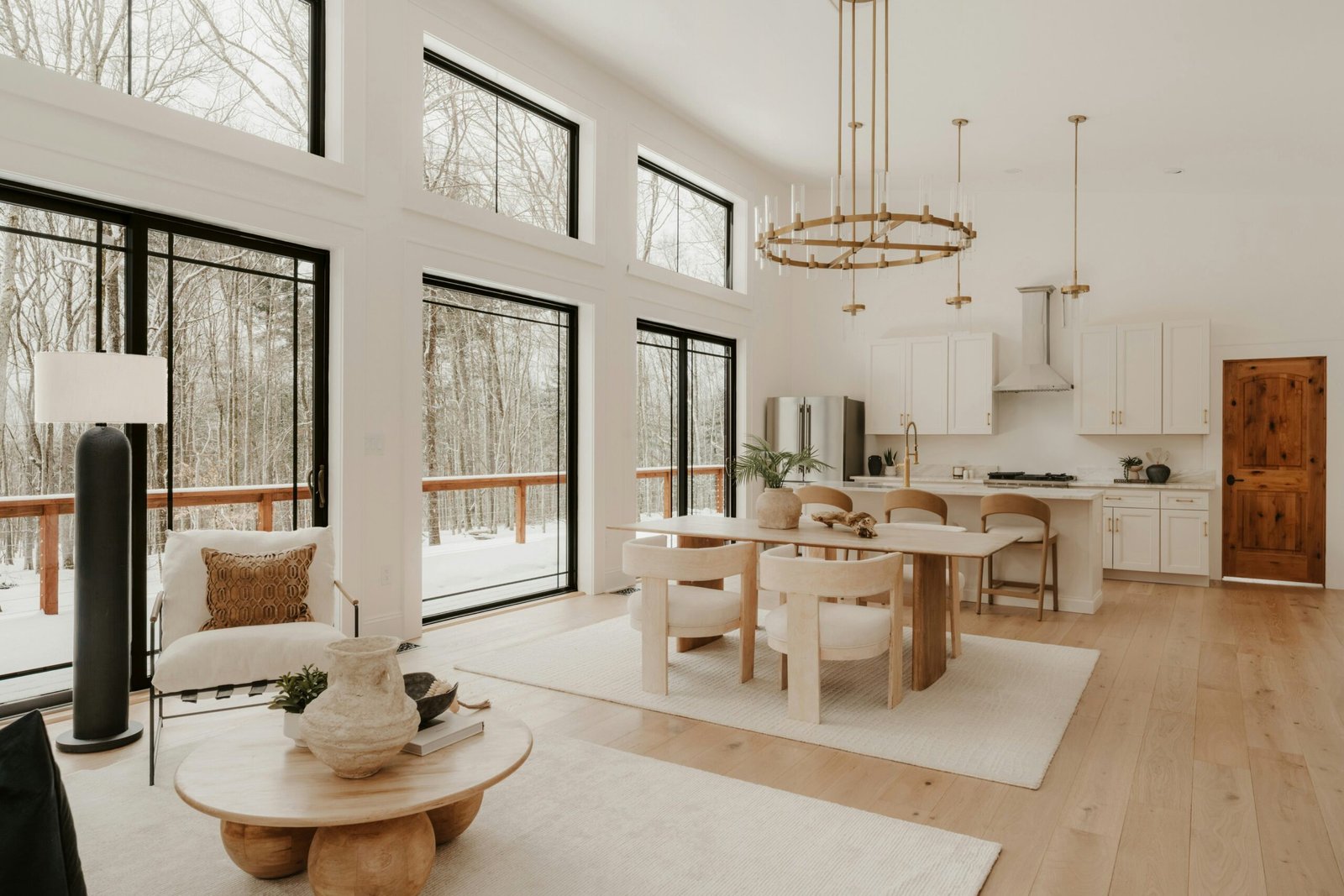
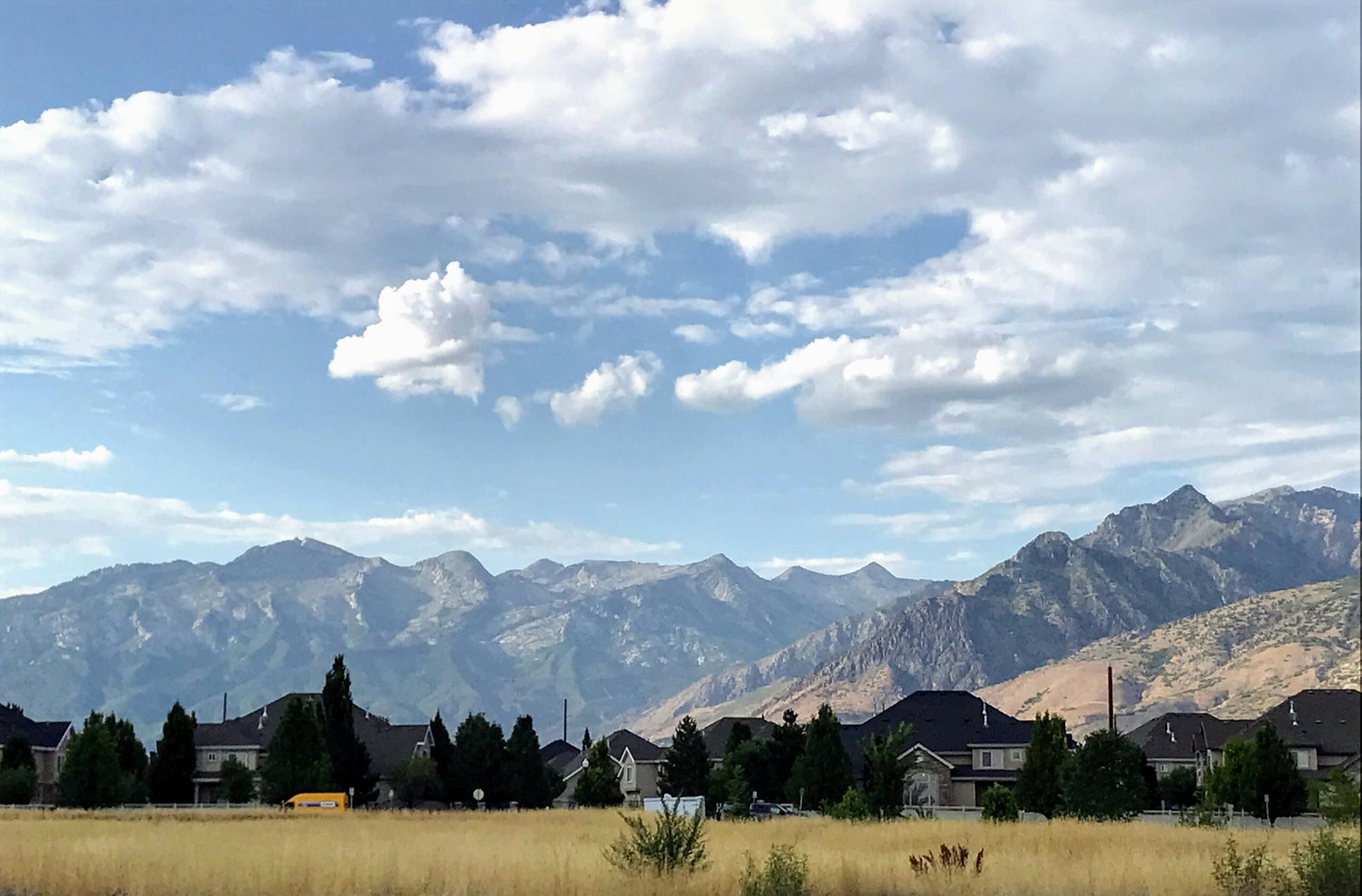
Practically speaking, this means updating your title and your featured photos before June. If your cover photo is a snow-covered exterior shot, swap it for a summer exterior with green landscaping and blue sky. It is a small change that signals to guests browsing search results that your property is dialed in for the season they are booking.
Price Summer Like a Distinct Season, Not a Discount Period
A lot of owners default to dropping rates across the board after ski season ends. The logic is that demand is lower, so prices should be lower. That is partially right and partially wrong, and getting it wrong costs more than most people realize.
Yes, average nightly rates in summer are lower than peak ski season. That is the reality of the market. But summer in Park City is not a single flat demand period. It has its own peaks, and owners who treat it as a monolith miss the revenue that comes from pricing those peaks correctly.
The Fourth of July weekend is one of the most undersold opportunities I see in Park City summer calendars. Demand spikes sharply for the holiday, and owners who are already sitting at reduced rates miss the chance to capture premium pricing. The same is true for Sundance-adjacent events, specific festival weekends at Deer Valley and Silver Star, and late-July through early August when family travel peaks nationally. These are not just good weekends. They are pricing events that deserve the same attention you would give a powder weekend in January.
The approach I recommend is building a summer pricing calendar that identifies the high-demand dates first, sets those at premium rates, and then builds your base summer rate from there. Use a dynamic pricing tool calibrated to the Park City market, but also make sure someone with local knowledge is reviewing the output. Automated tools do not always catch local event-driven demand the way a hands-on manager who is watching the market does. I check and adjust rates weekly during shoulder and summer seasons because the market moves faster than most owners expect.
One more data point worth keeping in mind: with active Park City listings down to roughly 30,000 compared to 34,000 two years ago, there is less competition than there used to be. That is a reason to be more confident in your pricing, not less.
Optimize Your Listing for Summer Search Traffic
Listing optimization is not a one-time setup task. It is a seasonal practice, and the transition from winter to summer is one of the most important moments to pay attention to.
When summer rolls in, I go through every listing I manage and audit it against a few key questions. Does the title reflect summer appeal? Do the photos show the property in summer conditions? Does the description highlight the summer-relevant amenities and nearby activities? If the answer to any of those is no, there is ranking opportunity being left behind.
On Airbnb specifically, the algorithm rewards listings that convert well, meaning guests who see your listing click it and then book. If your listing shows a snow-covered hot tub photo to a guest searching for a summer hiking trip, that mismatch kills your conversion rate and the algorithm quietly buries your property. The fix is deliberate seasonal repositioning.
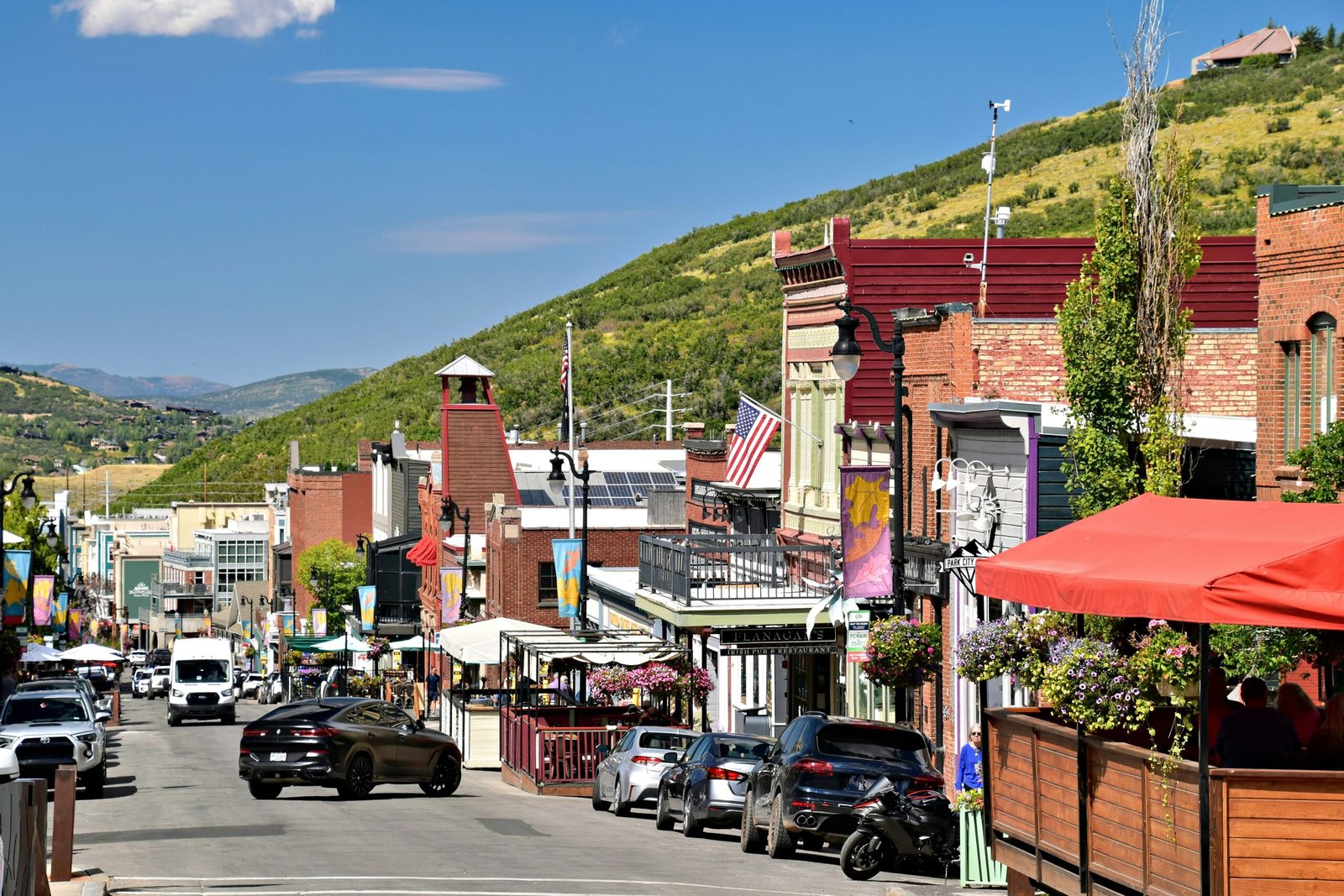
For summer-specific copy, I focus on a few things. Proximity to hiking trails and mountain biking gets called out by name when it applies, particularly the trails accessible from Deer Valley and the Mid-Mountain trail system. Outdoor spaces like decks, patios, and hot tubs become primary selling points rather than secondary ones. Air conditioning is worth mentioning explicitly because summer guests ask about it, and its presence or absence affects booking decisions. If your property is within walking distance of Old Town or Main Street restaurants and shops, say so clearly. Summer guests are more mobile and more food and entertainment motivated than ski season guests.
Secondary keywords to weave into your description naturally include Park City summer hiking, Deer Valley concerts, mountain biking Park City, and July Fourth Park City. These are terms guests actually search for, and a listing that uses them reads as more relevant to the platform’s matching algorithm.
Use Minimum Stay Settings to Protect Summer Revenue
One of the most common revenue mistakes I see in summer is over-accepting short one or two-night bookings during the calendar slots where a longer booking would have paid better. This is a minimum stay strategy problem.
During peak summer demand periods, particularly around holiday weekends and festival dates, I recommend setting minimum stays of three to five nights. Here is the reason. A two-night booking on the Fourth of July weekend leaves your calendar split in a way that makes the surrounding nights hard to fill. You end up with orphan days that either sit empty or get filled at last-minute discounted rates. A four or five-night minimum captures the full value of the weekend and leaves your calendar cleaner heading into the following week.
During shoulder summer periods, June and late August into early September, I drop minimum stays to two nights to maximize occupancy. Those are the periods where the goal is filling the calendar, and flexibility helps. The general framework is: high-demand dates get higher minimums and premium pricing, shoulder periods get lower minimums and competitive base rates.
This is not a set-it-and-forget-it setting. I review and adjust minimum stays based on booking pace every week. If I have a premium weekend coming up and I am not getting bookings at a three-night minimum, I will evaluate whether the rate is the issue or the minimum is the issue. Both levers matter, and understanding how they interact is part of managing a property well rather than just listing it.
Make the Off-Season Shoulder Window Work for You
April, May, and early June are the trickiest stretch for most Park City rentals. Ski season has ended, summer has not fully started, and owners who do not have a strategy for this window often see extended vacancy that drags down annual numbers.
I take a few specific approaches with properties I manage to make shoulder season productive. First, I lean into extended-stay and monthly rental pricing. Remote workers and people in transition, relocating professionals, people doing home renovations and needing a temporary place, are a real market for a well-equipped Park City property during this window. Pricing for a two-week or monthly stay is different than a weekend booking, and the economics can still work well when the alternative is vacancy.
Second, I use the shoulder period to front-load summer bookings. If I can get a family to book their Fourth of July week in April while most of my competition is still thinking about ski season, I have locked in premium summer revenue at a time when I would otherwise be staring at empty weeks. This means making sure your property is marketed as a summer destination starting in April, not June. Guests plan ahead, and the earlier your property shows up as summer-ready, the better positioned you are to capture advance bookings before the competition wakes up.
Third, the shoulder period is the right time to do property improvements. I schedule any maintenance, upgrades, or refresh work for April and May specifically so that the property is in its best possible condition when summer booking volume picks up. New outdoor furniture, a freshened patio, a new fire pit, or an upgraded BBQ all photograph well and directly impact the guest decisions that drive summer revenue.
Build Summer Revenue Around Events and Local Anchors
The Park City summer calendar is more event-rich than most owners realize, and building your revenue strategy around it is one of the highest-leverage things you can do.
The Deer Valley Music Festival runs through summer with concerts that draw visitors from across the region. The Kimball Arts Festival in August has historically been one of the most attended events on the Park City summer calendar. Main Street art galleries host regular openings. The Olympic Park has summer programming that pulls family travelers. Park City Golf Club and similar outdoor venues are fully operational. These are not small-scale events. They are meaningful demand drivers that cause specific weekends to book out early when well-managed properties are positioned for them.
What this means practically is keeping an event calendar active and syncing your pricing strategy to it. For the Kimball Arts Festival weekend, for example, I set rates weeks in advance to capture the premium those dates warrant. I also make sure listing copy for the surrounding period mentions the event and what makes the property a natural base for attending it. Guests searching specifically for accommodation around a Park City event will book the listing that reads like it understands what they are there for.
One thing I find owners consistently underestimate is the cumulative value of repeat guests who come annually for the same summer event. A family that books for the Deer Valley music series two years in a row is worth significantly more than a random one-time guest. Building a reputation for a smooth, well-managed stay during those high-profile weekends pays dividends in the form of repeat bookings that often come direct, outside the platforms, which also means lower fees.
Frequently Asked Questions
How much revenue can a Park City vacation rental make in summer compared to winter?
Summer revenue is typically lower per-week than peak ski season, but the season lasts longer. Properties that are well-optimized and priced correctly can generate 30 to 40 percent of their annual revenue between June and August. The gap between winter and summer has been closing as Park City’s year-round reputation grows. Owners who approach summer with a real strategy close that gap faster.
What are the best summer events to price around in Park City?
The Kimball Arts Festival in August, the Deer Valley Music Festival series, Fourth of July weekend, and the various outdoor concerts at Silver Star and Canyons Village are the highest-demand summer events. These dates should be identified early in the year and priced at a premium well before booking windows open for them.
Should I update my Airbnb listing photos for summer?
Yes, and this is one of the most impactful changes you can make. If your cover photo shows snow, winter landscaping, or ski gear, summer guests browsing search results will scroll past it. Swap in photos that show the property in warm weather: green exterior shots, deck and patio spaces, mountain views without snow. The algorithm rewards listings that convert well, and matching your visuals to the season improves conversion rate.
How do I handle the slow shoulder period between ski and summer seasons?
Target extended-stay guests in April and May, including remote workers and people in transition who need a well-equipped place for two to four weeks. Use competitive monthly-style pricing to fill those gaps. Simultaneously, start marketing the property for summer in April so you capture advance bookings before competitor listings refresh. Use the downtime to complete any maintenance or upgrades so the property is guest-ready when summer demand picks up.
Is Park City really a year-round vacation rental market?
It is increasingly so. Summer tourism has grown steadily over the past several years, and the combination of hiking, mountain biking, festivals, golf, and a strong restaurant and arts scene draws a different but substantial guest base. Annual per-listing revenue growth in the Park City market has been driven in part by owners capturing more value in the non-ski months. The owners who treat it as a year-round business rather than a ski-season side hustle consistently outperform the ones who do not.
If you want to know what your specific Park City property could realistically generate across all four seasons with the right strategy behind it, I run a free, no-obligation analysis for every property I evaluate. You get real market data, comparable properties, and a projected revenue range with zero pressure. Reach out here and I will put it together for you.