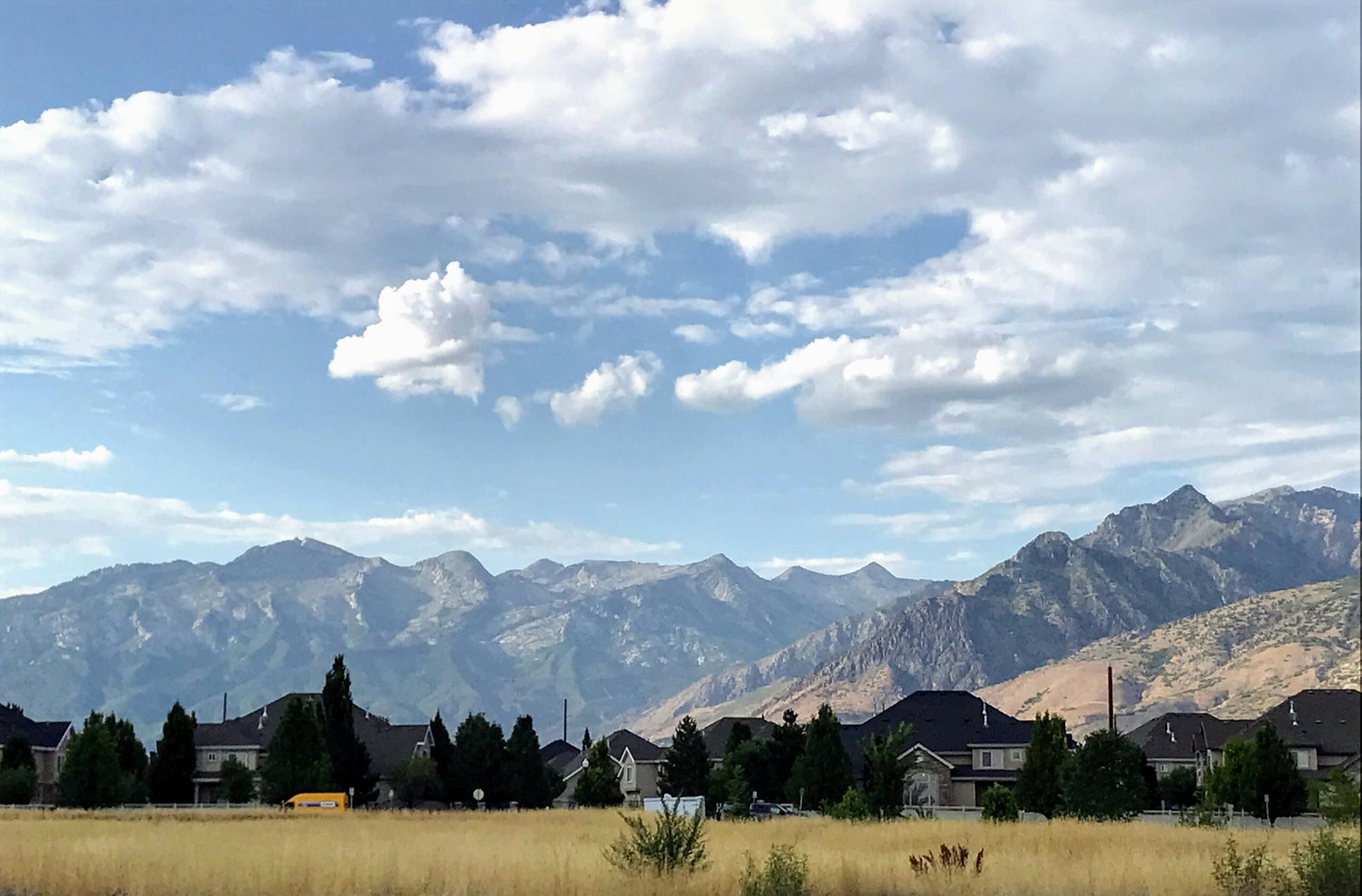
Something significant just happened at Deer Valley Resort, and most vacation rental owners in the area are still catching up to what it means for their bookings this summer. Over the past eighteen months, the resort added 10 new lifts, doubled its skiable terrain, and connected its new East Village portal to the main mountain with a 10-passenger gondola. The Expanded Excellence initiative has transformed Deer Valley from an already elite destination into one of the largest resort footprints in North America. That kind of growth does not stay contained to ski season. It reshapes how guests plan their trips, how long they stay, and what they expect from the properties they book year-round.
If you own a vacation rental near Deer Valley, this summer is not a time to set your listing on autopilot. The market is moving, guest expectations are rising, and the owners who understand what is driving demand will be the ones who capture it. Here is what I am watching as we head into summer 2026 and what it means for Deer Valley vacation rental management right now.
The Expansion Effect: Why Deer Valley Is Drawing a Different Guest This Summer
Deer Valley has always attracted a high-income, ski-focused guest. What has changed in 2026 is that the resort is now actively cultivating a year-round identity, and it is working. Summer operations kick off June 19, running through September 20, with lift-served mountain biking, hiking, and scenic chairlift rides at three operating lifts. The resort’s summer calendar features the Fire and Flavor Festival running across five weekends in July and August, the fifth annual Mountain Beer Festival in late September, and dining programming through the Taste of Luxury series and Michelin-starred chef events. These are not filler events. They draw guests who travel specifically for them and who book full weeks, not just weekends.
From what I observe analyzing properties in this market, the Deer Valley guest profile is shifting in a way that benefits owners with the right setup. The ski-only household that visited once in January is being supplemented by a broader category of luxury outdoor travelers who want Deer Valley in July just as much as they want it in January. These guests tend to book longer stays, spend more on-site, and leave higher reviews when the property experience matches the resort experience they are paying a premium for.
For owners, this is a meaningful demand signal. Shoulder months that once required aggressive discounting to fill are now competitive. The owners capturing that demand are the ones who have positioned their properties correctly and whose management keeps pace with a guest who expects the same level of service they receive from the resort itself.
Summer 2026 Demand Signals Every Deer Valley Owner Should Understand
Park City’s STR market generated approximately $342 million in total annual revenue in 2025, up from $322 million in 2023. Over the same period, active listings dropped from 34,286 to 30,273. The math on that is straightforward: more revenue spread across fewer listings means average per-listing revenue climbed by roughly 20 percent, from $9,415 to $11,317. That is the macro backdrop. The Deer Valley micro-market, where average nightly rates already sit well above the Park City average, has even more leverage.
Demand for summer in Deer Valley is being driven by a few specific forces heading into 2026. First, the East Village expansion opens new access points and trail networks that did not exist before. Guests who mountain bike or hike now have more terrain to work with, which extends the appeal of a multi-day stay. Second, the resort’s summer pass program at $329 gives guests a low-cost reason to commit to an extended visit rather than a day trip, which benefits owners of four-night-minimum properties. Third, the culinary programming creates genuine event-driven demand spikes on specific weekends throughout the summer. An owner without a dynamic pricing strategy in place for those weekends is leaving money behind.
One thing I watch closely across the properties I analyze in this market is the gap between an owner’s best weekends and their weakest ones. In a strong demand environment like Deer Valley in summer 2026, that gap often reflects pricing discipline more than it reflects actual demand. The guests are there. The question is whether your listing is capturing them at the right rate or giving them away at a discount that made sense in 2022 but not now.
What Strong Deer Valley Vacation Rental Management Looks Like in Practice
Managing a Deer Valley property well in summer 2026 requires a different approach than managing it in winter. The guest psychology is different. The booking window is different. The competitive set shifts as properties that dominate ski season may underperform in summer if their listing is not updated to reflect the summer appeal of the area.
Listing optimization is the starting point. A title and description that lean heavily on ski proximity and winter photography will not convert a summer traveler researching mountain biking near Park City. Listings need seasonal refresh cycles: summer photography, headline copy that speaks to hiking trails and outdoor dining, and amenity highlights that matter in June through September, like bike storage, hot tub access, outdoor living spaces, and proximity to the Silver Lake Express chairlift for summer access. This is not a nice-to-have detail. It directly affects where the listing ranks in Airbnb and VRBO search for guests traveling in summer months.
On the revenue management side, summer 2026 at Deer Valley is a calendar worth studying carefully before the season opens. The Fire and Flavor Festival weekends in July and August, the Beer Festival in September, and the Deer Valley summer concert series each create demand windows where minimum stays and rate floors should be adjusted upward. A static pricing setup does not catch those signals. Dynamic pricing tools tied to real-time demand data do. Beyond event weekends, midweek pricing strategy in summer matters more than many owners realize. Deer Valley’s summer pass includes weekday lift access, which means midweek is not a dead zone the way it can be at other mountain destinations.
Finally, guest communication in summer has its own rhythm. Pre-arrival messages should be tailored to what guests are actually doing. A family here for mountain biking needs different local recommendations than a couple here for the culinary events. That personalization takes time, but it is the single biggest driver of five-star reviews and repeat bookings. The properties I help manage that follow this communication philosophy consistently earn better reviews than comparable properties that use generic automated templates.
The Seasonal Balance Opportunity: Why Deer Valley Beats Single-Season Markets
One of the strongest arguments for owning in Deer Valley specifically is the revenue stability that comes from a genuinely year-round destination. Markets that depend heavily on a single season carry real risk. A poor snow year, a late-season event cancellation, or a shift in travel trends can crater revenue for months. Deer Valley is structurally insulated from that risk in a way that most mountain destinations are not.
Winter remains the dominant revenue season, driven by ski demand and the resort’s lift-ticket cap, which limits daily access and keeps the guest base premium. But the summer program, which now runs June 19 through September 20 in 2026, is a legitimate second revenue season. Shoulder months in May and early June can be supplemented by the resort’s Preview Weekend for season passholders on June 13 and 14. Fall, anchored by the Mountain Beer Festival and the tail end of mountain biking season, rounds out a calendar that a well-managed property can monetize across all four quarters.
For owners thinking about whether to invest further in their Deer Valley property or whether their current management is maximizing this seasonal structure, the benchmark question is this: what percentage of your annual revenue comes from non-ski months? If the answer is less than 25 to 30 percent, there is meaningful upside being left on the table. In most cases, the gap is not demand. It is positioning, pricing, and listing strategy that has not been updated to reflect what Deer Valley actually is in 2026.
What Sets High-Performing Deer Valley Properties Apart
After studying and analyzing dozens of properties in the Park City and Deer Valley market, the performance gap between top-quartile and median properties rarely comes down to the property itself. The location, the views, and the amenities at the top end of this market are often comparable. What separates a 90th-percentile earner from a 50th-percentile earner is almost always management execution.
High-performing properties in Deer Valley share a few consistent traits. First, their listings are maintained actively, not set-and-forgotten. Titles, photos, and descriptions are updated seasonally. The review score reflects genuine communication care, not just a nice property. Second, their pricing is dynamic and reviewed weekly, not monthly or annually. Third, inspections happen consistently between guests, and maintenance issues are caught before they become guest complaints. A hot tub that is not running correctly in July will generate a one-star penalty in a review that takes months to recover from in algorithmic ranking.
Fourth, and this is something I believe deeply in how we operate at Nest Luxury Properties, the guest is communicated with as if the property is a family home, not a business transaction. At Deer Valley’s price point, guests arrive with high expectations. When the pre-arrival communication is warm, specific, and anticipates their questions, it sets a tone that extends through the entire stay. When it is generic, it signals that the property is just another listing. That distinction shows up in reviews, and reviews drive rankings, and rankings drive revenue.
The Spanish Fork property I manage reached the number one ranking in its market within six months of applying these principles. Deer Valley properties, starting from a higher revenue baseline, have even more to gain from this approach when it is applied consistently.
What Owners Should Be Doing Right Now to Prepare for Summer
Summer 2026 at Deer Valley starts June 19. If your property is not already positioned for that opening, the preparation window is now. A few concrete things worth doing before the season opens:
Update your listing photography and title copy to reflect summer appeal. If your primary photos show snow and your title references skiing, you are invisible to a guest searching in May or June. Swap in images that show the outdoor living space, the views in green season, and the proximity to trails.
Review your minimum stay settings and rate floors for the summer event weekends. The Fire and Flavor Festival weekends in July and August, the Beer Festival in September, and any other confirmed events on Deer Valley’s calendar are windows where a two-night minimum and a higher rate floor are justified by demand. Do not let those weekends get booked at shoulder-season rates two months in advance.
Confirm your cleaning and inspection schedule with your team. Summer turnover volume can spike quickly once the season opens, particularly around event weekends. A vendor network that can handle back-to-back turns reliably is the operational foundation everything else depends on.
Finally, think about what your pre-arrival guest communication says to a summer traveler. If you have a template that mentions the ski resort, update it. Give summer guests specific recommendations for the mountain bike trails accessible from Silver Lake Express, the best dining options at Royal Street Cafe and The Brass Tag, and the event schedule. That specificity is what earns the reviews that keep your ranking strong through the shoulder seasons and into the next ski season.
Frequently Asked Questions
What is the best time to rent out a Deer Valley vacation rental in summer?
The core summer season runs June 19 through September 20, which is when Deer Valley’s lifts operate for mountain biking and hiking. Within that window, event weekends like the Fire and Flavor Festival in July and August and the Mountain Beer Festival in late September consistently drive higher demand. Booking rates typically build through May and early June, so having your listing optimized and priced correctly before Memorial Day is worth prioritizing.
How much can a Deer Valley vacation rental earn in a year?
Annual revenue varies significantly based on property size, location relative to the resort, amenities, and management quality. The Park City STR market as a whole averages roughly $11,317 per listing annually, but premium Deer Valley properties at the high end of the market can earn well above that benchmark. A properly managed property in a strong Deer Valley location with four or more bedrooms can realistically generate six figures annually. A personalized analysis based on real comparable data is the most accurate way to project revenue for a specific property.
Does Deer Valley have short-term rental restrictions owners should know about?
Park City and Summit County have specific short-term rental permit and licensing requirements. Rules vary based on whether the property is in an incorporated area, a planned unit development, or an HOA-governed community. Some HOAs in the Deer Valley area restrict short-term rentals or impose minimum stay requirements. Owners should verify their specific permit status, applicable taxes, and any HOA rules before listing or before changing their management approach.
What does professional Deer Valley vacation rental management typically cost?
Full-service property management in the Park City and Deer Valley market typically ranges from 25 to 35 percent of gross revenue. Boutique co-hosting arrangements, which offer a more personalized and hands-on approach, can come in lower. The management fee structure matters less than what the management actually delivers. A 20 percent fee with strong listing optimization, dynamic pricing, and active guest communication will almost always outperform a 30 percent fee with a set-and-forget approach. Owners should evaluate the total return, not just the cost of management.
What amenities matter most for Deer Valley vacation rental guests?
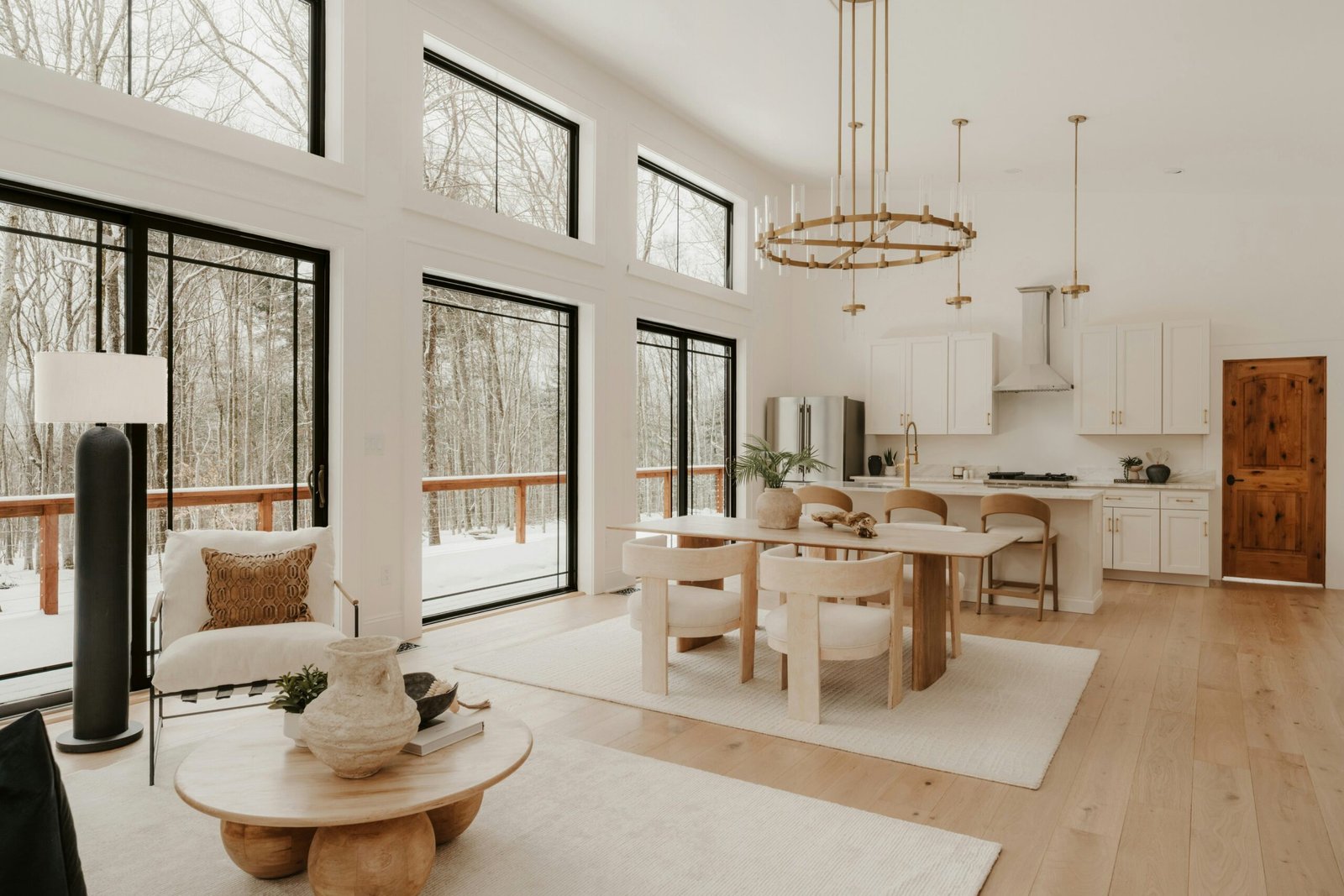
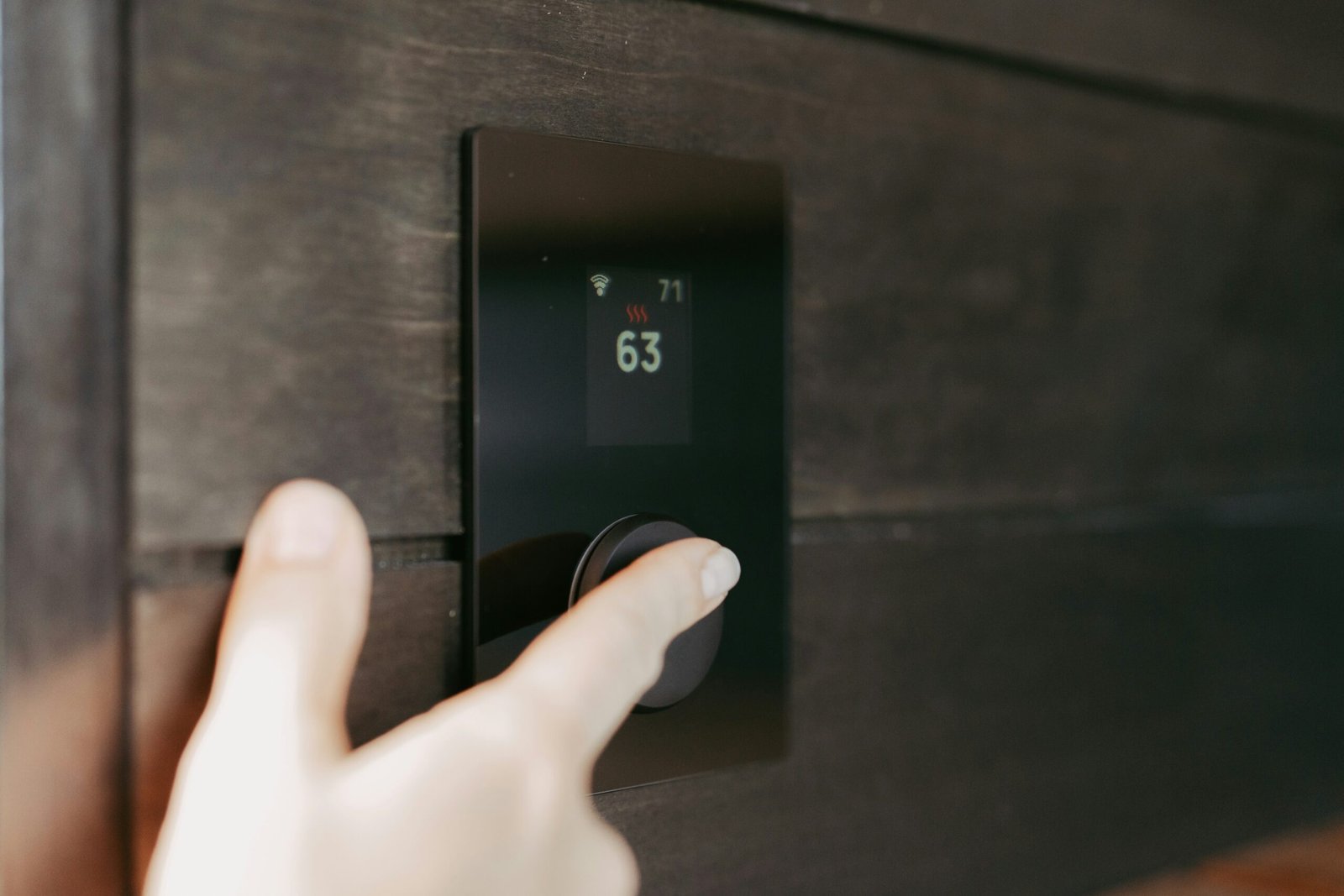
At the Deer Valley price point, guests expect a fully equipped kitchen, high-speed Wi-Fi, quality linens, and an outdoor space appropriate to the mountain setting. Hot tubs are a strong revenue driver in both winter and summer. In summer specifically, bike storage and easy trail access become differentiators. Smart home technology, including keyless entry and noise monitoring, is increasingly expected at the luxury level and reduces management friction between guests.
If you own a vacation rental near Deer Valley and are wondering whether your current setup is capturing what this market is capable of, I run a free, no-obligation analysis for every property I evaluate. You get real market data, comparable properties, and a projected revenue range with no pressure. Reach out here and I will put it together for you.