A single bad guest can cost a Park City property owner thousands of dollars. I’ve seen it play out firsthand: a trashed hot tub, a party that drew a noise complaint from the HOA, a review that tanked a listing’s search ranking for the better part of a ski season. And in almost every case, there were warning signs in the booking that got overlooked. The problem isn’t that hosts don’t care about guest quality. It’s that most of them are either over-screening in ways that kill their conversion rate, or they’re relying entirely on Airbnb’s built-in protections and assuming the platform has it covered. It doesn’t. Here’s how to build a screening process that filters out problem guests without turning your listing into a fortress that good guests won’t bother with.
What Airbnb’s Screening Actually Covers (And Where It Falls Short)
Before building your own process, it helps to understand what you’re working with. Airbnb does require identity verification from guests, meaning a government-issued ID, legal name, and address. In the United States, the platform also runs a background check using public state and county criminal records databases and national sex offender registries. It screens all users against the OFAC list for terrorist designations.
That sounds thorough on paper. In practice, there are significant gaps. Background checks are limited to U.S.-based users and require a full name and date of birth to run. They aren’t performed on every booking. International guests face far lighter scrutiny. And the ID Airbnb collects isn’t shared with hosts during the booking process.
Airbnb also uses a proprietary reservation screening system that flags patterns associated with risky bookings, such as last-minute reservations for large properties in areas with known party issues. In Park City, this matters. We have a lot of luxury homes with hot tubs, media rooms, and high guest capacity, which can look attractive to groups looking to host an event rather than a vacation.
The bottom line: Airbnb’s screening is a baseline, not a complete solution. Hosts who treat it as the whole answer are accepting more risk than they realize.
Start With Your Listing Settings Before Any Guest Inquires
The most efficient screening happens before a guest ever reaches out. Your listing settings, house rules, and Instant Book configuration do a lot of the filtering work passively.
If you use Instant Book, which I recommend for Park City properties because it improves your search ranking and reduces friction for qualified guests, configure it to require Airbnb’s verified ID and a positive review history. This one setting alone keeps out a meaningful portion of high-risk bookings without any manual effort on your part.
Your house rules are another passive filter. Be explicit and specific: no events or parties, no additional guests beyond what was booked, no smoking on the property. A Park City home with a hot tub and a game room should have a rule that addresses the maximum occupancy clearly. Problem guests tend to skip over detailed house rules. Guests who accept them have already acknowledged the expectations before they book.
Some owners I talk to resist detailed house rules because they worry about appearing unwelcoming. The opposite is true. Clear rules attract guests who respect them. They repel guests who would have violated them anyway.
How to Read a Guest Profile Like a Pro
When a booking request comes in, the guest’s profile is your first and most useful tool. Most hosts glance at it. Experienced operators read it carefully.
Start with the reviews. Look for patterns rather than isolated incidents. A guest with 15 stays and universally positive reviews is low risk. A guest with 3 stays and one review that mentions ‘communication issues’ is worth a second look. Read what the language actually says, not just the star rating. Hosts often soften negative feedback to avoid conflict, so phrases like ‘may not be the right fit for all properties’ or ‘house was left a bit messier than expected’ can signal more than the stars suggest.
Profile completeness is a meaningful signal. A guest with a photo, a bio, a verified ID, and several reviews has invested in the platform. A new account with no photo, no bio, and no review history is an unknown. That doesn’t mean you decline every first-time guest. Many great guests are new to Airbnb. But an incomplete profile combined with other risk factors should give you pause.
Look at when the account was created. A brand-new account booking a large Park City property for a weekend during a major event, like Sundance or a ski holiday weekend, is a pattern worth flagging. It doesn’t automatically mean the booking is bad, but it warrants a follow-up message before accepting.
The Pre-Booking Message: Your Most Powerful Screening Tool
For bookings that don’t come through Instant Book, or for requests that trigger a concern after you’ve reviewed the profile, a pre-booking message is your best screening mechanism. It accomplishes two things at once: it gives you more information, and it reveals how the guest communicates.
Keep the message short, warm, and specific. Ask about the purpose of the trip, who will be staying, and whether they’ve read the house rules. Here’s the kind of message that works:
“Thanks for your interest in the property. Before I confirm, I’d love to know a bit more about your trip. What brings you to Park City, and who will be joining you? Just want to make sure the home is the right fit.”
A guest with good intentions responds quickly, answers the questions directly, and often adds detail that makes you feel more comfortable. A guest with bad intentions either ignores the message, gives vague non-answers, or pushes back on being asked. The quality of the response tells you almost everything you need to know.
For high-capacity properties in Park City, I go a step further with any booking that involves a large group, a holiday weekend, or a new account. I ask the guest to confirm they’ve read the house rules and agree to the occupancy limits before I accept. It adds a few minutes of friction. But it also creates a clear record of acknowledgment if a dispute arises later.
Red Flags to Watch Before You Accept
After years of managing properties and analyzing the Park City STR market, I’ve found that problem bookings almost always show multiple signals in combination. One flag alone is rarely enough to decline. Several flags together are worth taking seriously.
Vague or evasive answers to basic questions are the most consistent red flag I’ve seen. Guests who won’t tell you who’s coming or why they’ve chosen the property are often hiding something. It doesn’t have to be malicious. Sometimes it’s just poor communication. But it’s worth exploring before you hand over an access code.
Last-minute bookings for large-capacity properties on event weekends in Park City deserve extra scrutiny. Sundance, ski holiday weekends, and New Year’s are high-risk periods for party bookings specifically because they’re high-demand periods when motivated groups know inventory will fill up. A last-minute request from a new account for a 10-person home on New Year’s Eve is a pattern I’d investigate closely before accepting.
Requests to take the booking off-platform are an immediate hard stop. Guests who ask to handle payment outside of Airbnb lose all the platform’s protections, and so do you. Decline politely and keep the conversation on-platform.
Local bookings without a clear explanation also carry risk. Most Park City visitors are traveling from out of state or out of the country. A guest booking a Deer Valley property with a Utah address who doesn’t explain why they’re renting locally is worth a question or two before confirming.
Smart Lock Setup and Why It Changes the Screening Equation
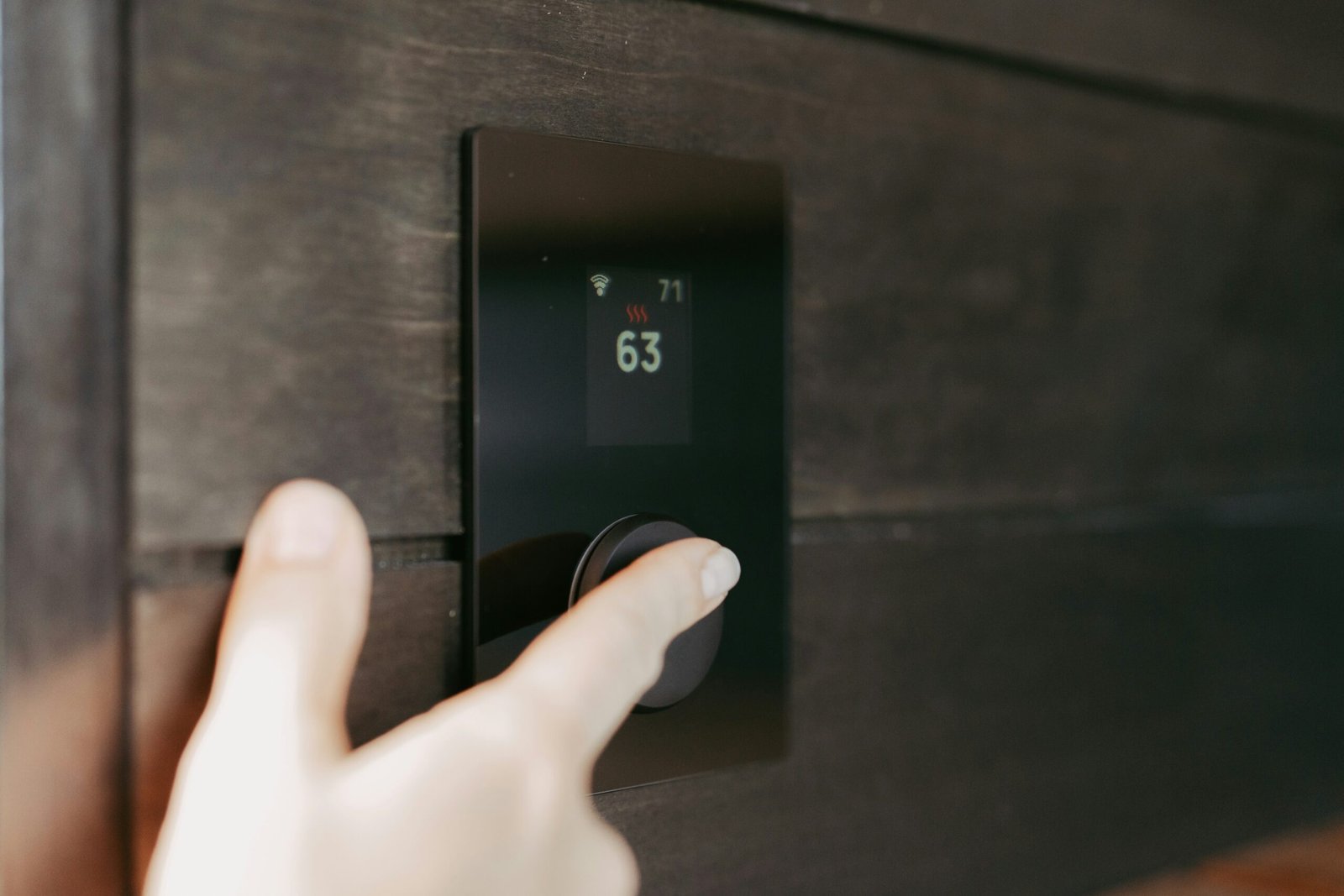
One change that has meaningfully improved our screening process is the move to WiFi-enabled smart locks with dynamic guest codes. I set up every property I manage with unique access codes tied to each reservation, usually the last four digits of the guest’s phone number. The code activates at check-in time and expires at checkout.
This does two things for guest screening. First, it eliminates the risk of keys being copied or old codes being reused. If a guest decides to come back uninvited, the old code won’t work. Second, it creates accountability. Guests know that their access to the property is tied to a traceable code tied to their identity. That awareness alone tends to improve guest behavior.
For Park City owners managing properties from out of state, smart locks combined with a professional co-hosting system eliminate a lot of the uncertainty that comes with not being on-site. If you’re still using physical keys or static codes, it’s worth reading more about the full operational approach we use at Nest Luxury Properties.
Balancing Screening With Your Acceptance Rate
This is the part most hosts get wrong. They build a screening process, then apply it so aggressively that they’re declining good guests and watching their listing drop in search results. Airbnb’s algorithm tracks your acceptance rate. A pattern of excessive declines can hurt your visibility, which costs you more in lost bookings than any individual problem guest would have.
The goal isn’t to screen every guest with maximum friction. It’s to screen the right guests at the right moments. Most bookings, especially from guests with a solid review history and a completed profile, don’t need a pre-booking interrogation. They need a welcoming pre-arrival message that sets clear expectations for the stay.
Save your detailed screening questions for bookings that trigger a concern. New accounts with no reviews. Large groups booking over event weekends. Booking requests that feel vague or rushed. In those cases, asking a few questions is not only appropriate, it’s what a professional operator does.
The properties I manage in this market have strong acceptance rates and strong guest quality because we treat screening as a targeted tool, not a blanket policy. If you want to understand how revenue optimization and guest quality work together, the Park City STR revenue guide covers that framework in detail.
What to Do When a Guest Raises a Concern Mid-Stay
Even with a solid screening process, occasional issues will happen. The way you handle them matters as much as the screening itself.
If a guest raises a concern about the property, respond quickly and professionally. A mid-stay check-in message, which we send automatically around 24 hours into every stay, catches most issues while the guest is still on-site and there’s time to resolve them. A problem addressed during the stay is almost never a bad review. A problem that festers until checkout almost always is.
When a guest causes a problem, document everything. Photograph the damage before cleaning. File an Airbnb resolution request within the window. If the situation involves safety or a serious policy violation, contact Airbnb directly. The platform has an urgent support line for active stays.
One thing we do consistently after any concern resolution is send a small gift card or treat to the guest. It sounds counterintuitive when a guest has caused a problem, but for minor issues where goodwill is still salvageable, a small gesture after resolution almost always turns the outcome in your favor. A guest who left feeling frustrated but acknowledged is far less likely to leave a retaliatory review than one who felt ignored.
Frequently Asked Questions
How do I screen Airbnb guests without violating Airbnb’s discrimination policy?
Screen based on booking behavior and property fit, not personal characteristics. Asking about the purpose of the trip, who will be staying, and whether the guest has read your house rules is entirely appropriate. Declining based on race, religion, national origin, gender, or other protected characteristics is a violation of Airbnb’s Nondiscrimination Policy and can result in removal from the platform. Focus your screening on the booking details and guest history, and you’ll stay well within policy.
Should I require Airbnb’s ID verification for all guests?
Yes, and it’s worth enabling this in your Instant Book settings if you use it. Airbnb’s verified ID requirement means the platform has confirmed a government-issued ID matches the guest’s account. It doesn’t guarantee behavior, but it adds accountability. Guests who’ve verified their identity are less likely to attempt to host unauthorized events because they know their real identity is on file.
How do I handle a guest with no reviews on Airbnb?
A new account with no reviews isn’t automatically a red flag. Many excellent guests are new to the platform. What matters is the combination of signals. A new account with a complete profile, responsive communication, a clear reason for the trip, and a willingness to answer basic questions is usually fine. A new account with no photo, no bio, a vague trip purpose, and a large-capacity booking on a holiday weekend is worth more scrutiny.
Is it worth using third-party guest screening software?
For operators managing a handful of properties, the manual process described above is usually sufficient. Third-party tools like Autohost or SUPERHOG add a layer of automated background checking and damage protection that can make sense at scale. If you’re managing 10 or more properties and want a more systematic approach, they’re worth evaluating. For most Park City co-hosting situations, a well-designed manual process plus smart lock technology covers the core risk.
What should I do if I suspect a guest is planning a party?
Contact them directly through the Airbnb messaging system before the check-in date. Ask them to confirm the guest count and acknowledge your no-events house rule in writing. If they won’t confirm or you receive evidence of a planned event, you can contact Airbnb to cancel the booking without penalty using the platform’s party risk policy. Document everything. If a party does happen, you have a record of the guest’s acknowledgment of the rules.
Managing guest quality well is one of the things that separates a high-performing Park City rental from one that grinds through problem stays and bad reviews. If you’re curious what professional co-hosting looks like in practice, or what your property could realistically earn under a tighter, more strategic management approach, reach out here. I put together a free analysis for every property I evaluate. No pitch, just numbers and an honest conversation.